

| Remarks on the Release of the 2009 Annual Report on International Religious |
| By Hillary Rodham Clinton, Secretary of State, Washington, DC |
| Monday, 26 October 2009 |
|
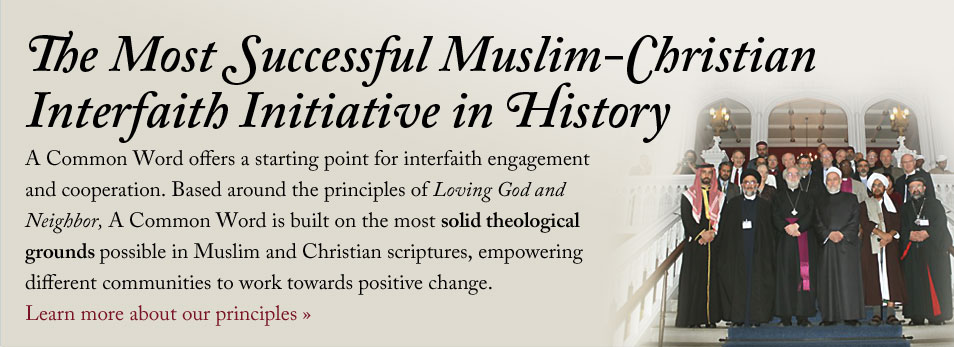
Watch the video here: http://link.brightcove.com/services/player/bcpid1705667530?bctid=46397102001 SECRETARY CLINTON: Hello, everybody. How are you? Am I up? I want to underscore that, because this is not just an American value. This was agreed to be a universal value. Religious freedom provides a cornerstone for every healthy society. It empowers faith-based service. It fosters tolerance and respect among different communities. And it allows nations that uphold it to become more stable, secure and prosperous. As President Obama said in Cairo, freedom of religion is central to the ability of peoples to live together. These facts underlie our commitment to the cause of religious freedom. That’s why we make the issue of religious freedom a priority in our diplomacy, and this annual report is the centerpiece of our efforts. Every year, the staff of our office of International Religious Freedom works with our embassies overseas and experts here in Washington to produce the world’s most comprehensive survey of religious freedom. This report examines how governments in 198 countries and territories are protecting or failing to protect religious freedom. It shines a spotlight on abuses by states and societies, and it draws attention to positive steps by many countries and organizations to promote freedom and interreligious harmony. The President has emphasized that faith should bring us together, and this year’s report has a special focus on efforts to promote interfaith dialogue and tolerance. We commend, for example, the Philippines leadership in the Tripartite Forum on Interfaith Cooperation for Peace at the United Nations. We commend Jordan’s role in initiating the common word dialogue and many other international and domestic initiatives. The United States is also expanding programs that work to bridge the divide between religious groups. These important efforts build on the shared values and common concerns of faith communities to sow the seeds of lasting peace. I obviously believe that our country has been strengthened by its long tradition of religious pluralism. From the largest denominations to the very smallest congregations, American religious bodies and faith-based organizations have helped to create a more just and compassionate society. Now, some claim that the best way to protect the freedom of religion is to implement so-called anti-defamation policies that would restrict freedom of expression and the freedom of religion. I strongly disagree. The United States will always seek to counter negative stereotypes of individuals based on their religion and will stand against discrimination and persecution. But an individual’s ability to practice his or her religion has no bearing on others’ freedom of speech. The protection of speech about religion is particularly important since persons of different faiths will inevitably hold divergent views on religious questions. These differences should be met with tolerance, not with the suppression of discourse. Based on our own experience, we are convinced that the best antidote to intolerance is not the defamation of religion’s approach of banning and punishing offensive speech, but rather, a combination of robust legal protections against discrimination and hate crimes, proactive government outreach to minority religious groups, and the vigorous defense of both freedom of religion and expression. So it is our hope that the International Religious Freedom Report will encourage existing religious freedom movements around the world and promote dialogue among governments and within societies on how best to accommodate religious communities and protect each individual’s right to believe or not believe, as that individual sees fit. I would now like to welcome Assistant Secretary Michael Posner to elaborate further on the report and to answer any questions you might have. Michael. |